How do students see a future without prejudic?

In today’s world, tolerance and respect for different cultures are becoming more important than ever. Globalization, migration processes, and the development of digital technologies are making our society more open and interconnected.
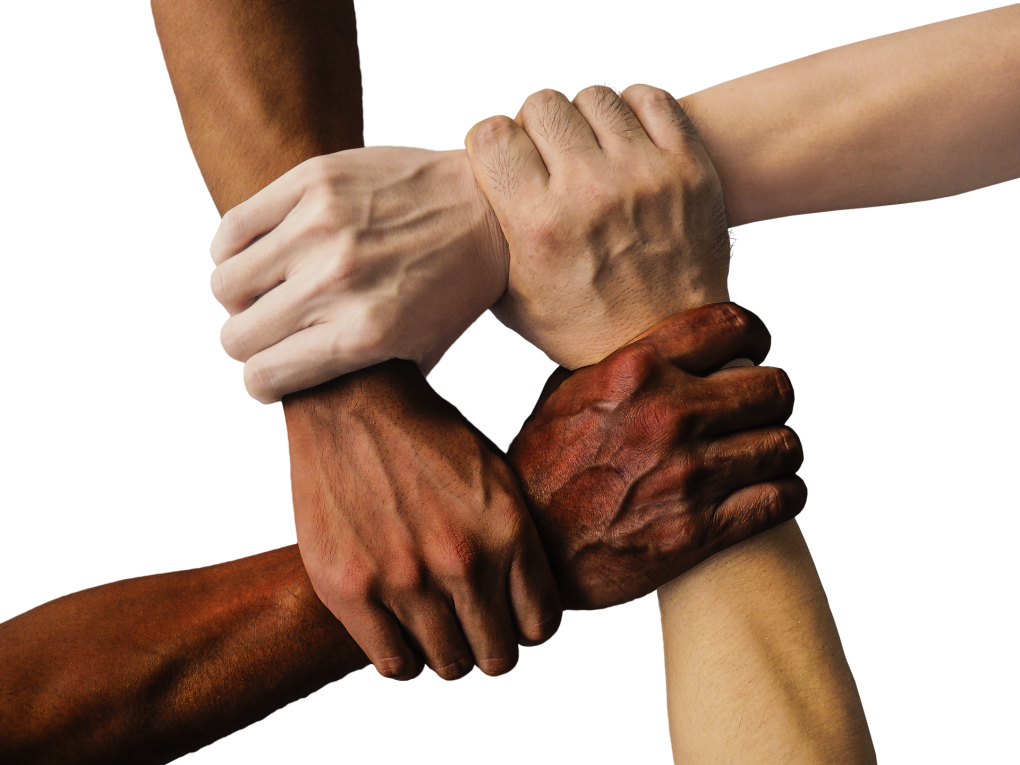
Students, as the future of our state, aspire to live in a country where every person feels equal, regardless of ethnicity, language, religious beliefs, or social status. They dream of an environment where prejudice does not dictate behavior and relationships between people.
“For me, a future without prejudice is the opportunity to communicate and make friends with people of any nationality, without fear of judgment or misunderstanding,” shares Oleksandra, a first-year student of the Journalism Department.
She notes that personal experience of communicating with people from different cultural backgrounds helps to feel the true value of diversity.
“At university, we often perform various tasks in groups with representatives of other cultures. This allows us to better understand each other and learn new things about other nationalities,” adds Daniil, a first-year student of the OP “International Economic Relations”.
He emphasizes that such interactive classes contribute to the development of empathy and mutual respect among students, creating a friendly and safe atmosphere for learning.
Various initiatives that promote intercultural dialogue help shape a tolerant worldview. University trainings, meetings with people from different nations, volunteering, cultural forums, and international exchanges allow students to learn about other communities and experience support and cooperation firsthand.
For example, when participating in volunteer projects, such as helping children from different countries or organizing joint cultural events, students feel the importance of mutual respect and teamwork. Such experiences create awareness that change begins with small steps in everyday life.
A future without prejudice also requires students to think critically and question stereotypes. Discussions during lectures, discussing social issues, participating in debates and intercultural seminars help to form their own position and understand the world more deeply. They learn to view different views as an opportunity for learning, not as a threat.
“I see that even small steps change people’s attitudes. Communication, working together on projects, participating in volunteer activities and interactive classes make student life more open and friendly. It is such actions that demonstrate that a future without prejudice begins today — with each of us, with our willingness to listen, understand and support each other,” the student shares.